
Socorro County Multi-Day Arrest Sources
Socorro County publishes no weekly booking feed and no person-level blotter covering several days. The county detention page runs the current JailTracker roster. It is a snapshot of who is in custody rather than a day-by-day archive. The Sheriff posts no arrest log. Neither Socorro Police nor the Magdalena Marshal maintains a live list. Neither one covers everyone booked in the past week.
Multi-day context still exists in pieces. El Defensor Chieftain prints periodic narratives from Socorro Police and the Sheriff. Magdalena releases monthly activity counts without names. Private sites add rolling and paginated lists that reach back further. None amounts to a full county jail log, and none carries a verified weekend cutoff.
Note: Use the roster for present custody and the arresting agency or records custodian for the historical entry.
Read Socorro County Police Blotters
A blotter lists incidents in the order they were reported. It is not a jail booking list. Work backward from the date, agency, place, and charge wording, then tie that narrative to an official report and the court file.
- Check the Chieftain’s Socorro Police and Sheriff blotter articles for the relevant date block and agency.
- Record the date, place, agency, and neutral event wording. Do not infer a booking solely from a narrative.
- Check the county roster if current custody is still in question.
- Ask Socorro Police, the Sheriff, or Magdalena Marshal for the incident record held by that agency.
- Use New Mexico Case Lookup for a filed case and disposition, then ask the filing court for documents not shown online.
- For a historical jail record, request the booking sheet and release or transfer entry from SCDC or the county custodian.
The Daily Arrest Report covers a same-day check. The weekly approach is different. It rebuilds a date range from agency narratives, jail records, and court events instead of treating a live roster as an archive.
Socorro County Blotter Entry Fields
Every source gives different fields. A news blotter may include a narrative and a location but no booking number. A private card can show a booking photo and bond while leaving out later court action. The table keeps those gaps in view.
| Item | Meaning and limit |
|---|---|
| Date or time | May be incident, arrest, booking, article, or private-site posting time. |
| Agency | Identifies the reporting or arresting office, not always the jail custodian. |
| Location or narrative | Often appears in news or police reports, not necessarily in the roster. |
| Name | May be withheld for juveniles or protected matters. |
| Listed charge | An charge at that stage, subject to change in court. |
| Booking number | Useful for matching records, but not assured in a public view. |
| Photo and bond | Source-dependent; neither establishes guilt or current custody. |
| Disposition | Comes from the court, not from the original blotter entry. |
Keep three words apart. An arrest is a seizure by law enforcement. Booking is jail intake. A charge is what an agency records or a court filing states, while disposition is the court's final outcome.
Socorro County News Arrest Narratives
The El Defensor Chieftain police blotter is the clearest local example. It runs dated text narratives and shows that juvenile identity can be withheld. Publication is periodic and irregular. The articles are not a live SCDC roster. They are not a complete weekly report or a systematic mugshot source. The Chieftain's format explains the records without turning them into a gallery.
A Chieftain article can point toward an agency report, though current custody and case outcome still require official checks. The Chieftain Sheriff's Department blotter follows the same multi-incident format.
That second blotter reaches county incidents. Timing and completeness sit with the newspaper, not the Sheriff or the detention center.
Magdalena Arrest Counts Versus Names
Magdalena's Marshal's Office puts out a monthly report that stands apart from other public records. It also credits help from other agencies. The April 2024 version counts DWI, felony, misdemeanor, 12-hour-hold, juvenile, and domestic cases. No names appear. No timestamps, no booking photos, no person-level register.
Counts describe workload. They cannot tell you who was arrested. They also cannot say whether someone entered SCDC or how a case ended. For a named inquiry, call the Magdalena Marshal or the village records contact. Check SCDC when county detention is involved. Then search the court. Never rebuild identities from small counts or splice totals onto private photo cards.
The village report also shows why one "weekly log" label can mislead. Monthly activity, periodic journalism, active custody, and archived booking cards are four separate products. Merging them implies a government dataset that does not exist.
Private Socorro County Arrest Archives
Private archives reach back further but carry less weight. RecentlyBooked holds a rolling 30-day window. Mugshots Zone offers monthly navigation, Busted Newspaper paginates by county, and Arre.st keeps a Socorro section. These services may retain entries after the county roster drops a name, miss a booking, misstate a status, or update on their own schedule.
| Source | Observed reach | Caution |
|---|---|---|
| RecentlyBooked | Rolling recent 30 days | Private and not an SCDC timing record. |
| Mugshots Zone | Recent page and monthly archives | Private status and archive depth can change. |
| Busted Newspaper | County page with pagination | Private cards are not court outcomes. |
| Arre.st | Socorro county section | Coverage and freshness are not officially verified. |
The Mugshots Zone Socorro archive illustrates private monthly navigation.
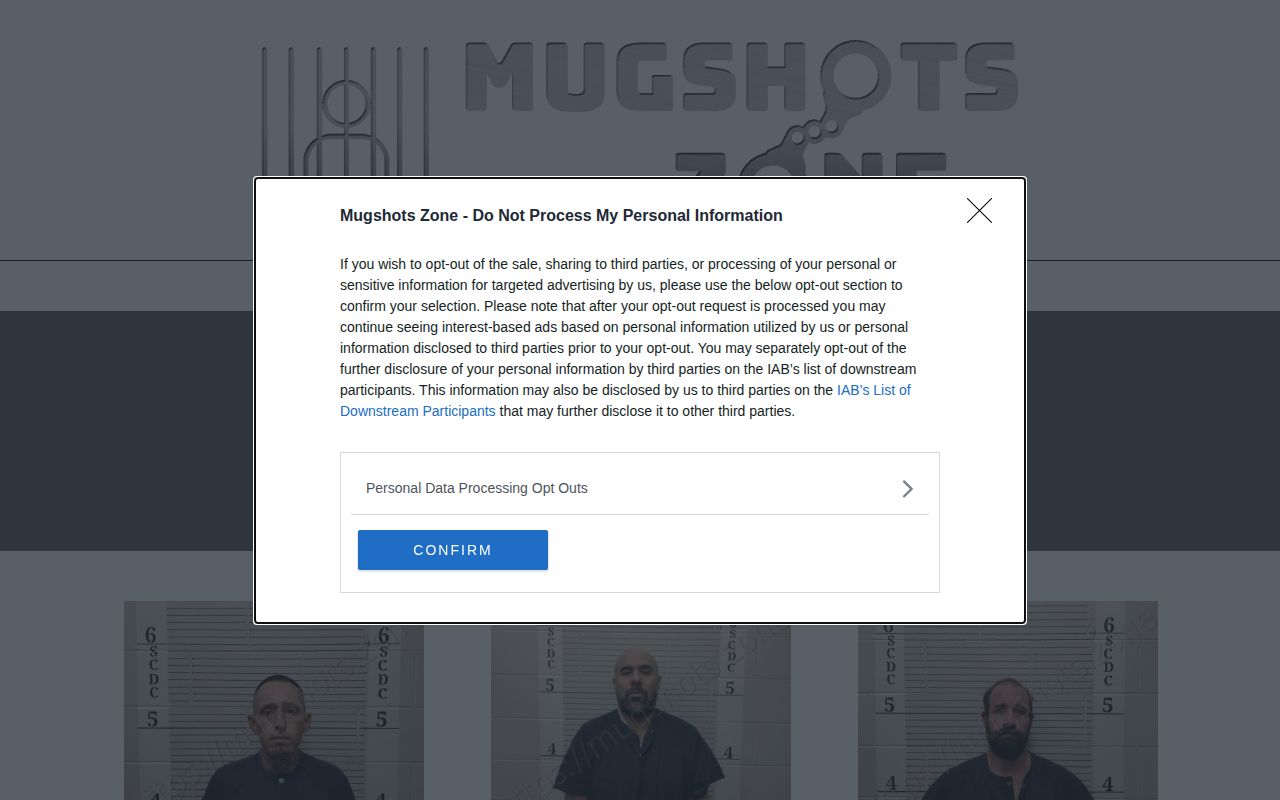
Treat these pages only as index leads. Confirm the underlying record with SCDC, the arresting office, and the court.
Older Socorro County Arrest Records
A roster vanishing from the web does not mean the underlying record is gone. Socorro County's older booking sheets, photographs, release records, transfer entries, and chronological jail logs usually still exist somewhere. Start with SCDC and the county records custodian. Ask the arresting agency for the incident report. The filing court holds disposition details. Give each request a tight scope. Name the person, the agency, the record series, and a bounded date span. New Mexico's current functional schedules set statewide retention rules. But the sheriff's office lists no confirmed booking-photo series or local retention term for SCDC. A 2006 schedule mentioned sheriff criminal-history files kept five years after final disposition. Yet that is historical guidance only. Ask the custodian which schedule item applies now. If a record moved, request the transfer date, the accession or box identifier, and the current repository. The State Records Center and Archives can help at that point. An "old record" might sit with the agency. It might be sealed or expunged. It might be destroyed under a valid schedule. Only the custodian can tell you which.
Note: A newspaper archive and a government retention schedule operate independently, so one source may persist after another changes.
Socorro County Arrests Need Court Review
New Mexico Case Lookup spans several court levels. It generally does not put case documents online. Juvenile criminal cases stay restricted under the court's stated rules.
Compare names, dates, agencies, charge wording, court, and case number whenever available. Never identify someone from a photo alone. A dated narrative shows only what was reported at that stage.
Public Record Search
Sponsored Results